
- Your cart is empty
- Continue shopping
-
Sandra Cain
- Posted on
- Categories:Anxiety & Panic Disorder, Health
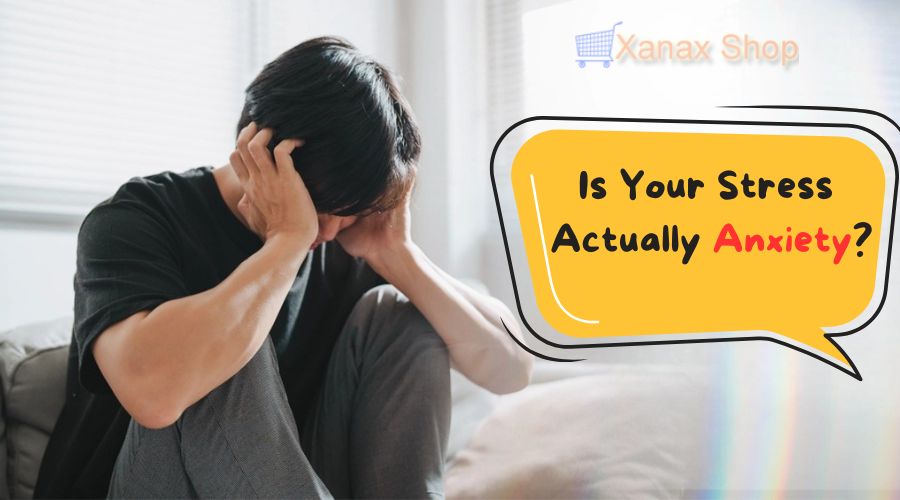
We all experience stressful moments, whether school deadlines, family problems, social pressures, or money problems. Stress is a part of normal life. But how do you know if stress turns into something more serious, like anxiety?
Whereas stress tends to be short-lived, once the moment has passed, anxiety has a way of lingering. It can cause problems with your sleep, put a drain on your energy, and even make everyday activities hard to enjoy. The better news is: anxiety can be controlled. The starting point is knowing what it is and how it differs from normal stress.
What Is Anxiety?
Anxiety is your natural bodily response to danger or stress. If anxiety lasts for some time, it can keep you attentive or concentrated. However, when anxiety becomes a regular issue even in the absence of actual danger, it can be problematic.
People with anxiety are usually nervous, apprehensive, or jumpy for no valid reason. They worry a lot or avoid situations that are easy for most people to manage.
If you’ve been feeling stressed for weeks or months, and it’s affecting your sleep, focus, or social life. You should consult your doctor or health expert for better advice.
Also Read : What are the Symptoms of Anxiety Disorder?
Surprising Signs That You Have Anxiety
Anxiety may not always be the same for everyone. It might rise slowly at the early stages, then it can rise over time.
These are some signs to watch out for:
- Feeling anxious
- Problem in concentrating
- Headaches
- Trouble sleeping or waking up tired
- Avoiding people or places out of fear or discomfort
If these signs keep showing up and don’t go away on their own, it could be more than just everyday stress.
How Anxiety Affects Sleep?
One of the first things anxiety plays with is your sleep. You can spend hours lying in bed with your mind racing you’re thinking about what happened, what could happen, or thinking about the worst-case scenarios in your head.
Poor sleep can cause anxiety over time, creating a cycle that’s difficult to break. With too little rest, it’s more difficult to think clearly or manage stress during the day.
Also Read : How to Sleep Well? Tips for Those with Sleep Disorders
Fascinating Facts About Anxiety
- More than 300 million people worldwide are affected by anxiety disorders.
- Women are nearly twice as likely as men to suffer from anxiety.
- If anxiety isn’t treated, it can lead to depression and worse health conditions.
- A lot of people facing anxiety have stomach problems as well, demonstrating the connection between the brain and stomach.
- Anxiety is very curable, yet most individuals don’t seek help for fear or lack of knowledge.
What Can You Do to Control Anxiety?
The good news is that anxiety doesn’t have to dominate your life. There are several ways to control it. Small steps, taken regularly, can bring big changes.
Some of the beneficial methods of managing anxiety are:
- Therapy – You can contact a professional therapist, particularly with CBT (Cognitive Behavioral Therapy), which transforms negative thoughts into better ones.
- Mindfulness and Meditation – Spending 10–15 minutes each day quieting your mind can decrease stress hormones.
- Exercise – You can go for a walk (evening) to enhance your mood. It reduces anxiety by releasing feel-good chemicals such as serotonin.
- Breathing Techniques – Deep breathing or box breathing can soothe your nervous system.
- Journaling – Writing down your thoughts and worries can help you understand and manage them better.
When to Seek Help?
If your anxiety is becoming too much for you to deal with alone, it’s not a problem to seek assistance. You must consult your doctor, counselor, or mental health specialist. They can assist you with the appropriate support, like therapy, healthy lifestyle habits, or anxiety medication if prescribed.
You don’t have to wait until things get worse. Early intervention can make a big difference.
Conclusion-
If you’ve been feeling tired or dealing with anxiety, and you haven’t been able to talk to someone about it. You can improve your situation with self-motivation, talk to someone, or change your daily routine. There are lots of ways to feel better.
You deserve peace of mind, and it’s completely possible. Start by being kind to yourself, taking one step at a time, and knowing you’re not alone in this journey.
Frequently Asked Questions (FAQs)
Can anxiety resolve on its own?
Occasionally, mild anxiety can disappear with rest and healthy practices. However, if it persists or worsens, professional assistance is usually required.
Is anxiety the same as stress?
Not exactly. Stress typically has a definite cause, such as an exam or a deadline. Anxiety is possible even when there isn’t a definite reason, and it is more long-lasting.
Can anxiety harm the body as well?
Yes. Anxiety can lead to actual physical symptoms such as headaches, stomach discomfort, fatigue, or muscle tension.
Can one still lead a normal life with anxiety?
Absolutely. With the proper tools and guidance, most individuals overcome their anxiety and live happy, fulfilling lives.
